
There’s a moment when the lights dim, the music begins to pulse, and someone steps onto the center of the stage, barefoot or in high heels, hand resting on the metal pole they’ll be spinning around a few seconds later as if gravity had suddenly been switched off. Pole dance, as they once called it, has long since become more than an erotic stage trick: it’s a sport, an art form, a type of self-expression, and, not least, unbelievably hard physical work.
A Glimpse Into the Past – From the Pole to the Spotlight
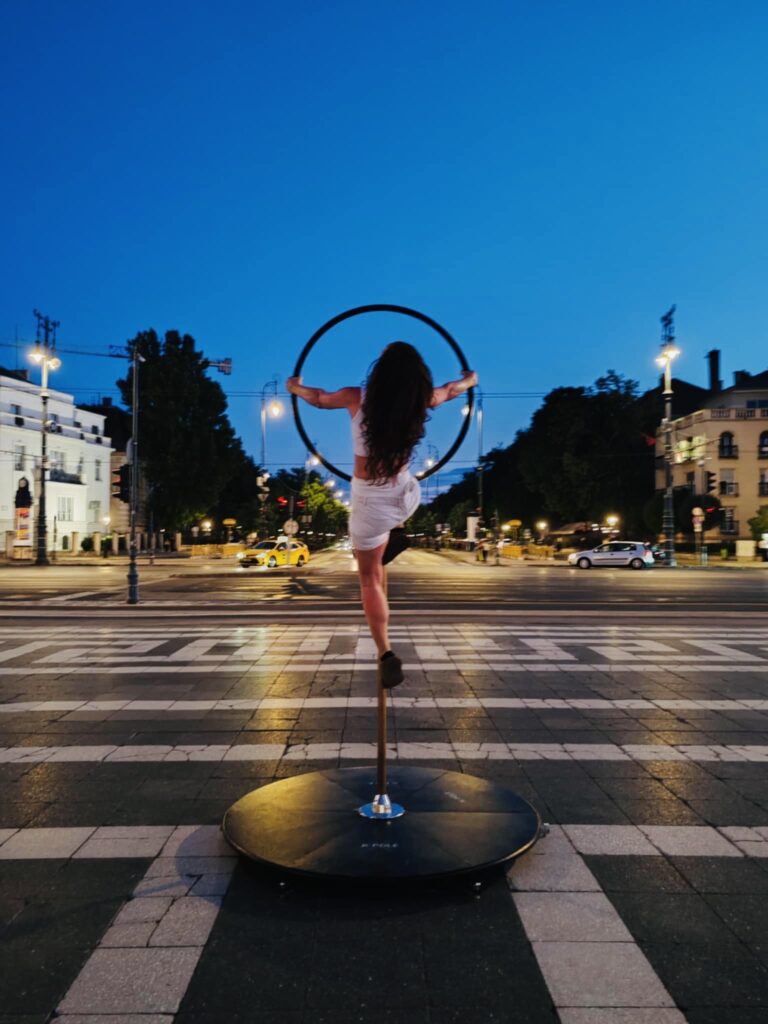
Pole dancing has roots far older than most people would guess. It wasn’t born in Las Vegas, nor in a smoky American club. The whole story actually began in India hundreds of years ago with a traditional sport called Mallakhamb. Men performed acrobatic movements on wooden poles, strength, balance, and agility, with a fair dose of danger. In Chinese circus arts, athletes used a similar apparatus called the Chinese pole, jumping between two vertical poles like human fireworks.
Fast forward to the early 20th century: to traveling circuses and fairs, where alongside acrobats, dancers began appearing in the tent. They brought seduction into the movement, body language, playfulness, and the crowds loved it. From there, it was a straight path to the burlesque and cabaret stages of 1920s and ’30s America, where the pole finally claimed its place at centre stage.
Modern pole dance is a blend of ancient acrobatics and the celebration of the female body in motion. A bit of physics, a touch of eroticism, and a whole lot of muscle.
The Golden Age of the Clubs – When the Lights Burned Red
The true golden era of pole dancers arrived in the nightclubs of the ’70s and ’80s. Smoky haze, slow-moving spotlights, sweaty men at the bar, and the dancer who knew exactly how to lure and hold back at the same time. The pole wasn’t just a prop; it was a partner, someone to flirt with, fight with, and rest upon.
During this period, pole dance became inseparably linked with eroticism. But let’s not forget: it wasn’t just about seduction, but about control. The dancer was the one in charge, deciding what could be seen and what remained hidden. A good pole dancer didn’t need to strip completely, one movement in the light was enough for the audience’s imagination to do the rest.
Some despised it, some romanticized it, but the world of clubs always carried the scent of money, desire, and freedom around the pole.
A Sport That Muscled Its Way Up
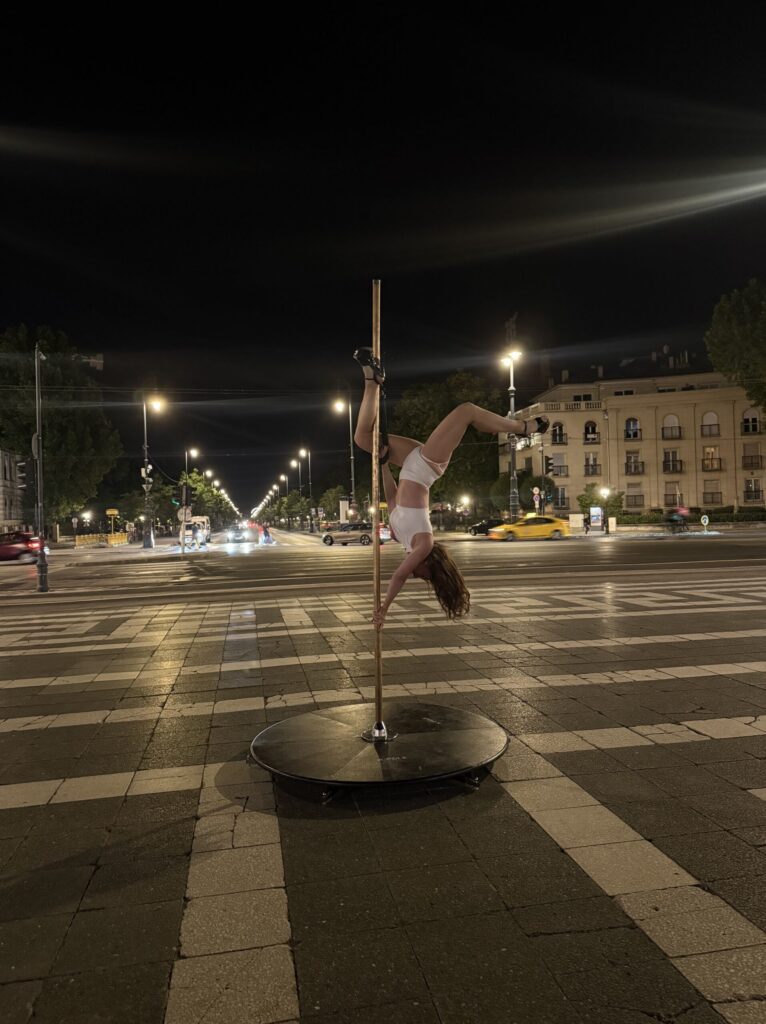
Then came the big shift in the 2000s. Pole dance left the smoky bars behind and moved into fitness studios. Competitions were created, new names invented: pole fitness, pole sport, and suddenly everyone realized this wasn’t just sexy, but insanely difficult.
Professional athletes perform with incredible strength and flexibility: they use their entire bodies and cling to the pole as if magnetized. The sport version has no stilettos, no sensual swaying, only raw muscle work, physics, and pushing limits.
Yet even in the strictest competitions, something of the old magic remains. In every movement, there lingers a trace of elegance, bodily joy, and that subtle touch of “urban sin.”
Eroticism or Art? Maybe Both.
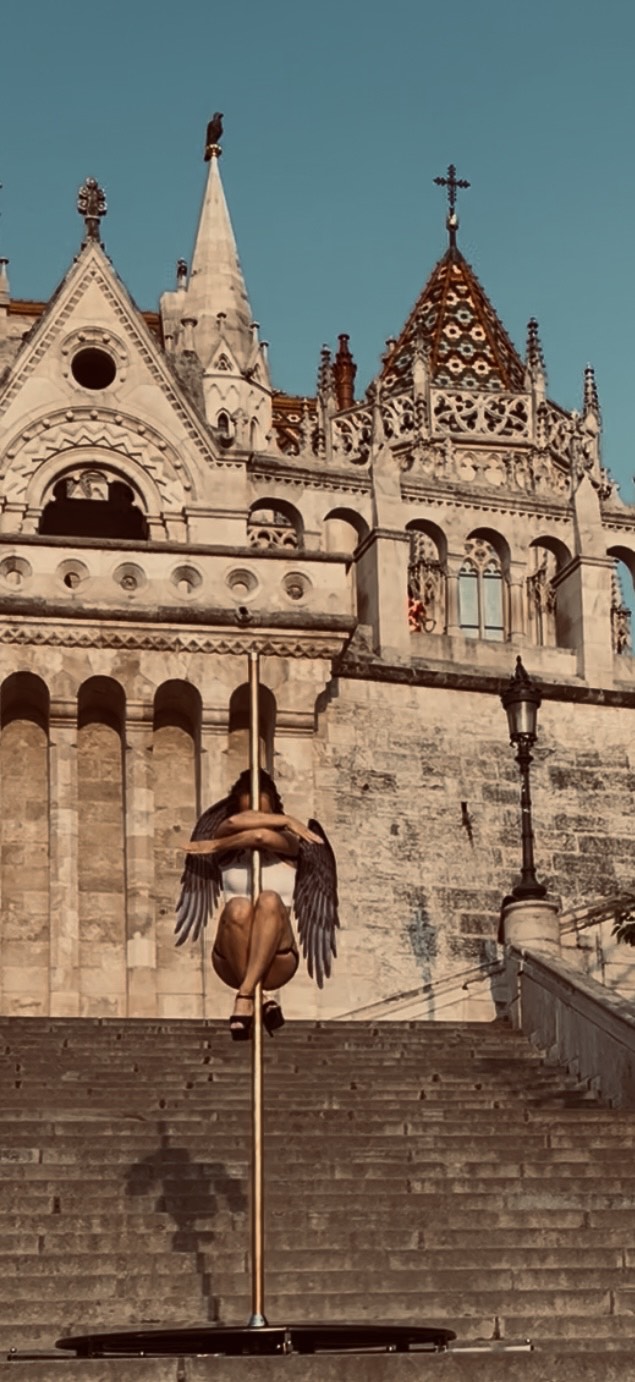
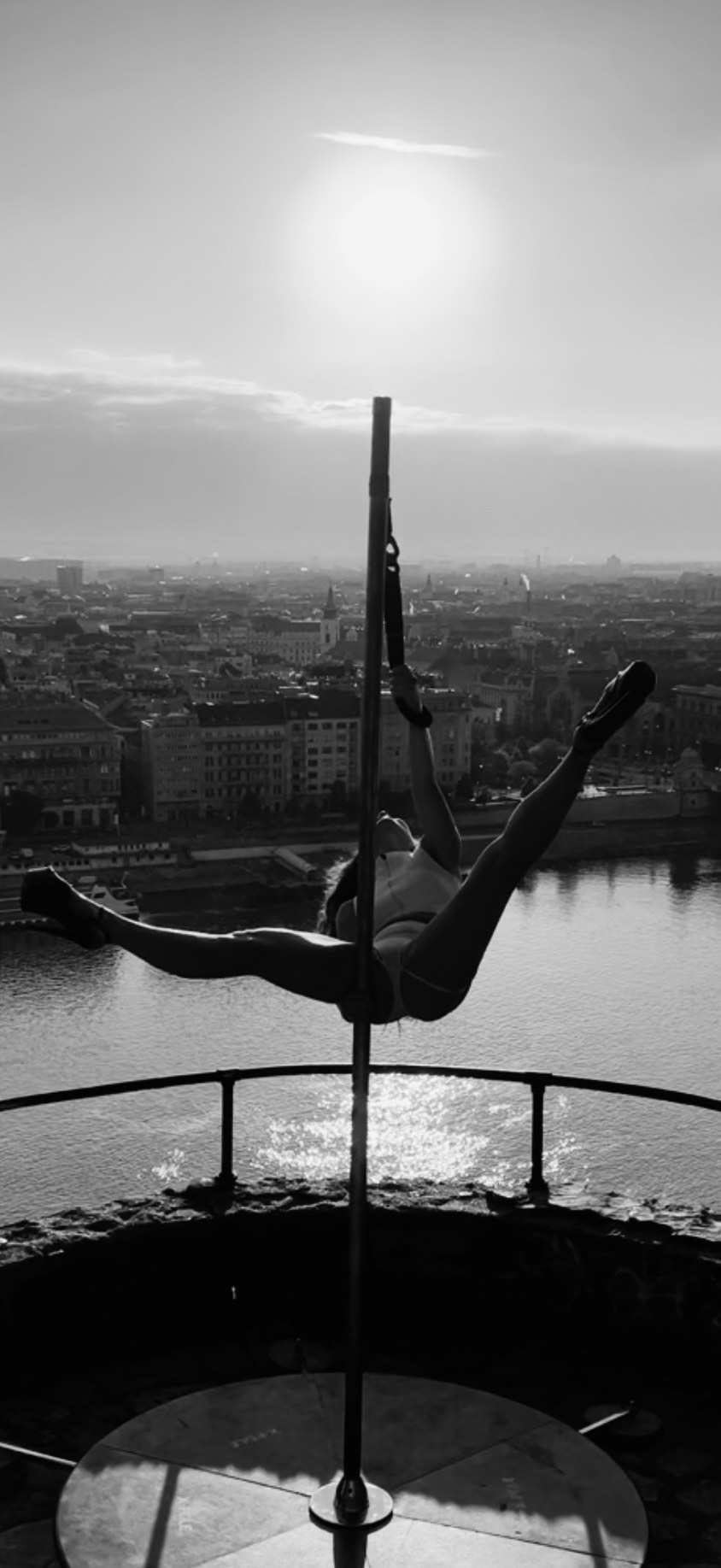
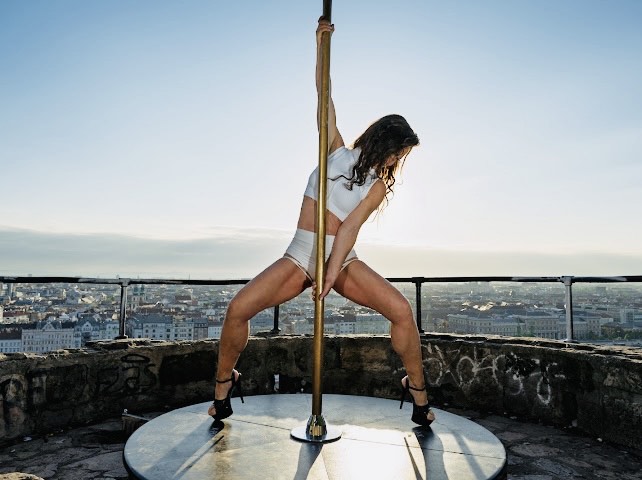
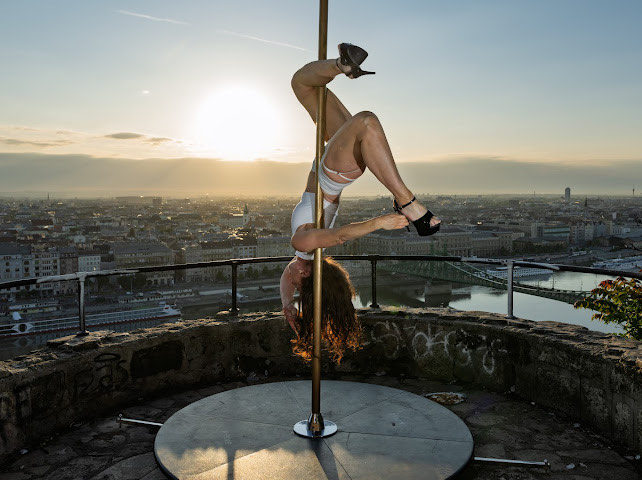
Today, two worlds exist side by side: the athletic pole dance dreamed of as an Olympic sport, and the erotic version that still belongs to the nightlife scene. One is about discipline and strength, the other about playfulness and embodied desire.
But if we’re being honest: both showcase the wonder of the human body. There are no tricks on the pole, everything is real. Muscle, balance, skin, friction, and fatigue all working together to create something spectacular.
Around the Pole, Everyone Is Equal
Interestingly, pole dance has become a form of self-expression. Women and men, young and old, athletes and artists, all find their own story in it. Some seek strength, some confidence, some simply freedom.
There are no taboos in pole dancing. There’s sweat, pain, pride. And whether you’re watching someone glow under nightclub lights on the steel pole, or seeing someone in a gym hanging upside down in perfect stillness, it’s essentially the same thing: the ancient dance between the human body and movement itself.
Leave a Reply